

A dining room can be beautifully furnished and still feel unfinished until the light is right. That is why the future of customizable lighting is not simply about apps, bulbs, or technology. It is about giving people a more personal way to shape the mood, color, scale, and story of the spaces they live in.
For homeowners drawn to expressive interiors, lighting is becoming less of a final practical purchase and more of a design decision with emotional weight. A handcrafted mosaic chandelier in jewel-toned glass can make a neutral room feel collected over time. A pair of colorful wall sconces can turn an ordinary hallway into a memorable passage. The fixture does not merely brighten the room. It gives the room its point of view.
The Future of Customizable Lighting Is Personal
For years, most lighting decisions followed a narrow path: select a finish, choose a size, and hope the fixture works once it arrives. Today, shoppers expect more room for expression. They want to choose colors that speak to their furnishings, configurations that respect the proportions of a room, and details that feel far removed from mass-produced décor.
That shift makes particular sense in homes that are no longer designed around one universal look. A condo may blend clean-lined furniture with vintage rugs. A traditional dining room may need a vivid focal point rather than another predictable crystal fixture. A boutique hotel lobby may need lighting that feels warm, distinctive, and photographable without looking like every other hospitality space.
Customization allows lighting to belong to the room rather than simply occupy it. In Turkish mosaic lighting, the choice of globe colors can change the entire character of a chandelier or lamp. Rich amber and bronze tones create a golden, intimate glow. Sapphire, turquoise, and cobalt bring drama and depth. Clearer whites and soft pastels can feel lighter, airier, and especially at home in coastal or contemporary spaces.
Color Will Matter More Than Ever
The future will not be colorless. After years of interiors dominated by safe neutrals, many homeowners are returning to saturated, meaningful color. They are using color to create a mood, distinguish zones in open-concept homes, and show a little more personality.
Lighting is especially powerful because color changes twice: once when the fixture is seen during the day, and again when it glows after sunset. Hand-set mosaic glass catches daylight as decorative texture, then comes alive at night with a softer, more luminous presence. That dual role makes a colorful lamp or chandelier a true statement piece rather than a passing accent.
Still, more color is not always the answer. A room with patterned wallpaper, bold upholstery, and a colorful rug may need a fixture with a more restrained palette. Conversely, a quiet room with ivory walls, natural wood, and simple seating can carry a spectacular multicolor chandelier. The right choice depends on whether the light should lead the room or complete it.
A Palette Should Connect, Not Match Perfectly
The most inviting interiors rarely rely on exact color matching. Instead, they repeat related tones in a thoughtful way. A blue mosaic globe can echo a painting, ceramic vase, or accent pillow. Warm red and orange glass can bring out the undertones in walnut furniture. Green glass may create a beautiful conversation with plants, brass, and natural stone.
This approach feels more layered than buying every object in the same shade. It also gives your space room to evolve. A handcrafted fixture with several colors can continue to feel relevant as art, textiles, and decorative pieces change around it.
Flexible Configurations Will Replace One-Size Thinking
Scale is one of the most common lighting challenges. A fixture that looks magnificent in a showroom photo can feel undersized over a large dining table or overpowering in a compact entryway. Customizable chandelier configurations offer a more considered alternative to one-size-fits-all lighting.
The number of globes, the arrangement of arms, and the overall spread of a chandelier all influence how it performs in a room. A grand multi-globe piece can anchor a tall foyer, staircase landing, restaurant, or open dining area. A smaller configuration may be ideal above a breakfast table, in a reading corner, or as a refined focal point in a bedroom.
There is a practical side to this, too. The fixture needs enough visual presence to hold its own against the furniture below it, but it should not crowd the space or interrupt sightlines. Before choosing a configuration, consider ceiling height, table size, room width, and whether the light will be viewed from adjoining areas. In an open floor plan, a chandelier is often visible from several angles, so its silhouette matters as much as its brightness.
Craftsmanship Will Become the New Luxury Signal
As more homes fill with quick-ship furnishings, handcrafted lighting becomes even more compelling. People can recognize the difference between an object made to blend in and an object made with patience, color, and character.
Turkish mosaic lighting carries the visual language of old-world artistry into modern homes. Each glass piece, metal detail, and decorative pattern contributes to a finish that feels warm, intricate, and alive. The appeal is not perfection in the factory sense. It is the richness of variation, the texture of handwork, and the sense that the piece has a human story.
That story matters to buyers who want their homes to feel personal rather than staged. It matters to gift buyers searching for an occasion-worthy lamp, decorative accent, or meaningful housewarming piece. And it matters to designers creating rooms that need a focal point guests will remember.
At Whispers of Istanbul, customization is part of this artistic experience. Selecting globe colors and chandelier arrangements gives customers the opportunity to bring home a piece that feels chosen for their space, not pulled from a generic shelf.
Smart Features Have a Place, but They Are Not the Whole Story
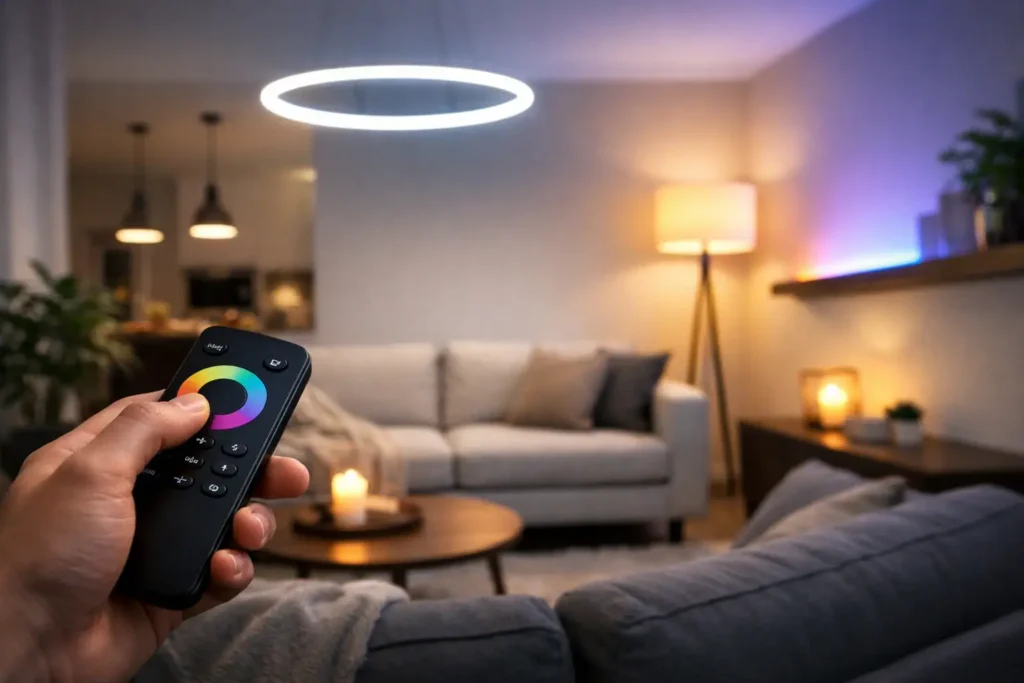
Technology will continue to influence lighting, particularly through dimmers, energy-efficient bulbs, timers, and smart controls. These features can make everyday living easier. A dimmer can take a dining room from bright family homework space to candlelit dinner atmosphere. Smart scheduling can help a home feel welcoming before anyone walks through the door.
But a smart bulb cannot make an uninspired fixture remarkable. Technology controls light output. Design controls feeling.
The strongest future-facing rooms will combine both. Choose a decorative fixture with real visual presence, then use compatible bulbs and controls to adjust its warmth and intensity. For mosaic glass lighting, warm white bulbs often flatter the glass and create the inviting glow people expect. Cooler bulbs can work in certain modern settings, but they may lessen the warmth that makes colored glass feel so enchanting.
Always check the fixture’s bulb requirements and work with a qualified electrician when installation, ceiling support, or wiring needs are more complex. A dramatic chandelier deserves proper placement and safe installation.
Lighting Will Be Chosen for Moments, Not Just Rooms
The most interesting change may be how people think about purpose. Rather than asking, “What light belongs in this room?” homeowners are increasingly asking, “What do I want to feel here?”
A bedroom may call for bedside lamps that create a softer retreat. An entry may need a ceiling light that offers an immediate welcome. A dining area may deserve a chandelier that encourages guests to linger. In a boutique space, restaurant, or hospitality setting, the lighting may need to become part of the brand memory itself.
This is where decorative lighting earns its place. It supports function, certainly, but it also sets a scene. It can make a quiet evening feel special, make a celebration feel more generous, and make a familiar room feel newly yours.
Choose a Fixture You Will Still Love After the Trend Passes
Customization should not mean chasing every new look. The best choices begin with what you genuinely respond to: the colors that lift your mood, the craftsmanship you admire, and the kind of atmosphere you want to welcome people into.
A well-chosen handcrafted lamp or mosaic chandelier does more than follow the future of customizable lighting. It lets you participate in it, creating a home with light that feels personal, expressive, and unforgettable.